David does a great job of selling devs on PWA as a viable approach for their projects in this extensive post.
David does a great job of selling devs on PWA as a viable approach for their projects in this extensive post.

The bigger the pipe, the more we’ll shove into it. This is an important piece from Scott Jehl. You should give it a read.
This problem is on us. Yes, we need to better prioritize our asset delivery, but most importantly, we need to stop delivering so much JavaScript. We need to audit our script inventory, and scrutinize our 3rd party integrations regularly, as many of these packages are abandoned or meant to be short-lived. … We should do whatever we can to keep our team members aware of their own impact, across all roles.
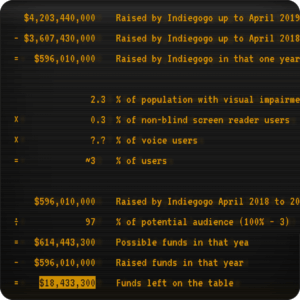
Following up on Jason’s post, Adrian offers some forms advice to Indiegogo.
It was immediately apparent that the fields had no accessible name. Despite the visible text label, nothing was programmatically associated.
C’mon people. It’s 2019. Use a fucking label and associate it with the field using the for attribute. If you can figure out React (or Angular or whatever), you can absolutely figure this out.
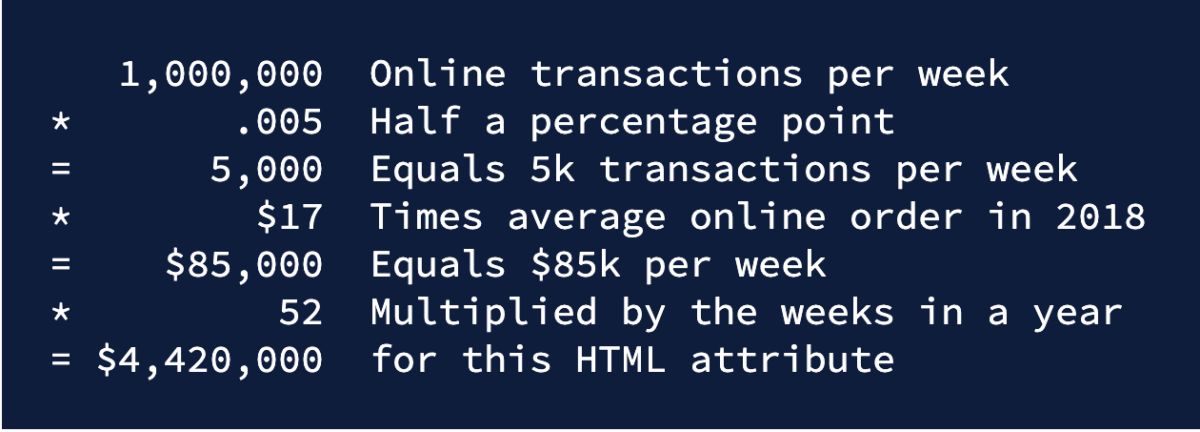
Excellent forensic investigation from Jason. Reminds me of the kind of stuff we used to do over on Web Standards Sherpa. You should absolutely read the whole thing, but I’ll give you the key takeaways here as your site may be making the same mistake as Chipotle.
There are three key takeaways from Chipotle’s order form that you should consider:
- Use HTML5 input features
- Support autofill
- Make autofill part of your test plans

This is an excellent piece on the sometimes awkward, but kind and necessary move toward true inclusion. This passage nails the problems with (typically) conservative thinking in this regard and why it’s a problem:
I was a child of privilege in the small town where I spent my teenage years, but I knew plenty of kids in my public junior high and high school whose dads were “on disability,” that is to say, receiving Supplemental Security Income or Social Security Disability Insurance, really the only working-class welfare benefits left following Bill Clinton and his New Democrats’ disastrous “welfare reform.” We made fun of them, as cruel and thoughtless teenagers are wont to do. They weren’t in wheelchairs. They weren’t crippled. They could walk. They could drive. Some of them even mowed their own lawns! We had been socialized to believe that they were scammers, to be mocked simultaneously for being lazy and poor and for being conniving fraudsters on the make, getting rich off the government. The obvious contradiction of these insults made them all the worse.
Now that I am older, and aside from regretting these childhood cruelties simply for their meanness and lack of charity, I recognize the pain those men (we hardly thought of the women: another sort of insult), who could walk, yes, but could not climb the stairs, who slept upright in the living-room La-Z-Boy because it was too painful to lay flat, who had trouble with their insulin, who couldn’t hear you unless you shouted, or who were rattled by loud noises.

So much awesome content in Patty’s talk. In particular…
There was a common assertion that slow networks were a third-world challenge. Remember Facebook’s network challenges? They always talked about new markets in India and Africa. The implication is that this isn’t our problem in, say, Omaha or New York.
Pew Research provided a lot of data back then that showed that this thinking was wrong. Use of cell phones, especially smartphones and tablets, escalated dramatically in the United States. There was a trend towards mobile-only usage. This was in low-income households—about one third of the population. Among 5,400 panelists, 15% did not have a JavaScript-enabled device.
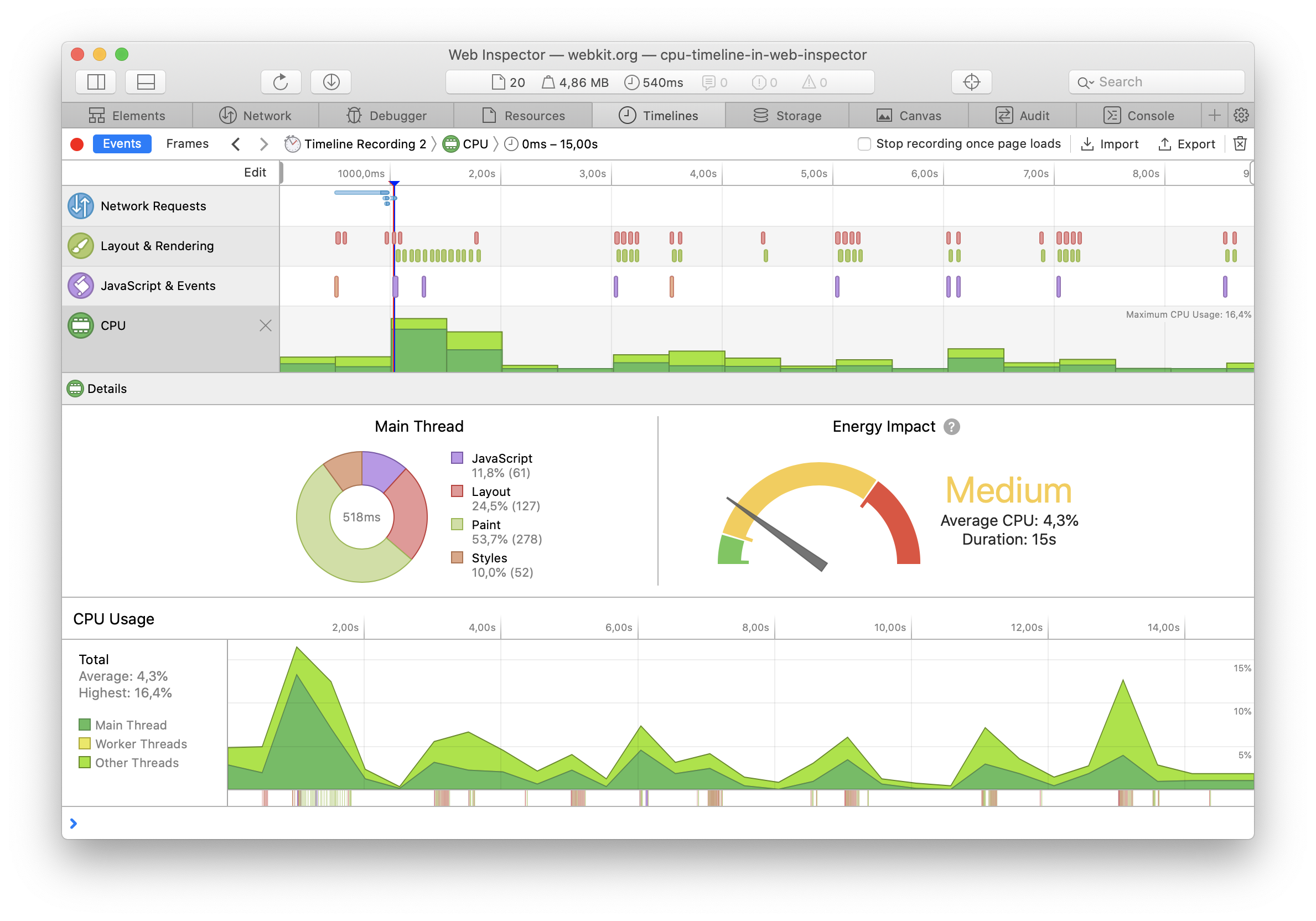
This is a great overview of the many ways in which our designs (and code) affect power usage and battery life.

We are building toilets with world-class plumbing that people can’t then sit on. And the people who know how to fix the toilets have no clue how to fit a toilet into our plumbing.

Ralph Nader is absolutely right:
“We need more engineers who embody the three principles of any profession – independence, scholarly pursuits, and commitment to public service. Those are the vital ethical pillars to helping engineers withstand the great pressures to place commercial priorities over their engineering integrity and limit harm to the public.”
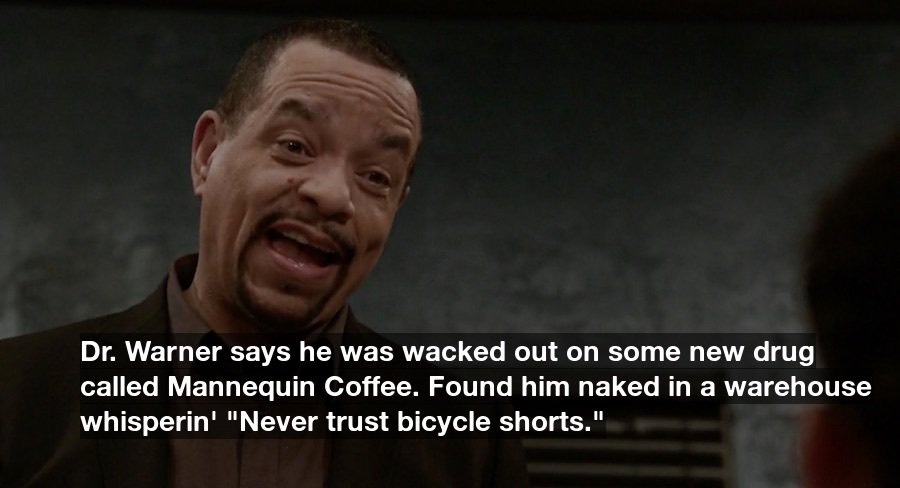
Subtitles are yet another example of an accessibility feature that improves the experience of a much broader audience.
Personally, I started using closed captions when we came home with Oscar. It also me to watch movie & shows while he slept in my arms. Interestingly, I’ve always tuned in dialogue subtitles in video games.